What is trade dress, and can you protect your packaging?
Customers often recognise a brand before they read it: the shape of a bottle, the colours of a box, the look of a shop. Trademark law can protect that look as trade dress. The rules are stricter than for names and logos, and knowing them early shapes what is worth designing, documenting and registering.
Written by Trademarky. Published November 21, 2026. Last checked November 21, 2026. 5 min read.
The short answer
Trade dress is the overall look of a product or its packaging that tells buyers who made it, and it can be protected like a trademark. To qualify it must be distinctive and not functional. Packaging can be distinctive from the start, but a product's own shape or design is protected only after buyers have come to recognise it as a brand, which usually takes years of use and evidence.
- Trade dress is the total image of a product, its packaging or a business's look, protected when it identifies the source of the goods or services.
- Trade dress must be distinctive and non-functional; a feature that makes a product work better or cost less cannot be owned as trade dress.
- Product packaging can be inherently distinctive, but product design is protected only after it has acquired distinctiveness in buyers' minds.
- A single colour on its own is never inherently distinctive and needs proof that buyers recognise it as a brand.
- Unregistered trade dress can be enforced under federal law, but the owner must prove it is not functional.
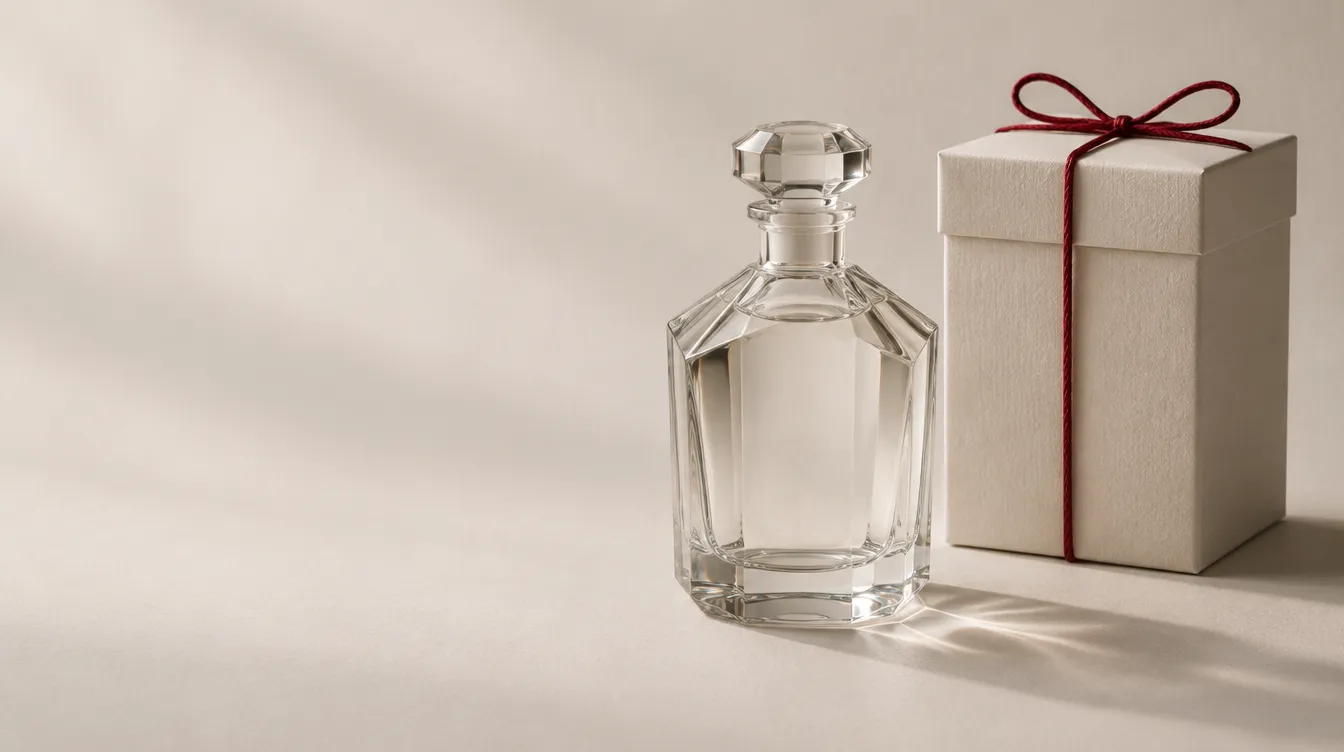
What trade dress covers
Trade dress is the overall appearance that identifies where a product comes from. It is not one element but the combination: shape, colours, materials, layout, texture, even the look and feel of a store or a restaurant. If buyers recognise the source from the look alone, the look may be protectable.
- Packaging: a distinctive bottle, tin, box or label layout.
- Product design or configuration: the shape of the product itself, such as a lamp, a chair or a ceramic tile's profile.
- Business decor: the combination of features that gives a shop or restaurant its recognisable look.
Courts treat these categories very differently, so the first question is always which one your look falls into. When it is unclear, courts tend to treat it as product design, the harder category.
Distinctiveness: packaging versus product design
Trade dress must be distinctive, meaning buyers see it as a sign of source rather than as decoration. Packaging can be inherently distinctive: an unusual container or a striking, unusual layout can work as a brand from the first day, because buyers are used to packaging that identifies a maker.
Product design is different. The Supreme Court has held that a product's design is never inherently distinctive, because buyers usually see a shape as making the product more useful or attractive, not as a brand. Product design is protected only after it has acquired distinctiveness, sometimes called secondary meaning: proof that buyers have come to associate the design with one source.
| Kind | Can it be distinctive from launch? | What usually proves it |
|---|---|---|
| Packaging | Yes, if unusual for the field | The design itself, or evidence of recognition |
| Product design | No | Years of use, look-for advertising, sales, surveys, unsolicited press |
| A single colour | No | Strong evidence that buyers see the colour as the brand |
| Business decor | It can be, depending on the facts | The combination of features and how distinctive it is |
Why functional features are ruled out
A feature cannot be trade dress if it is functional: essential to the use or purpose of the product, or if it affects cost or quality. Trademark rights can last indefinitely, so the law keeps them away from useful features, which belong to patents for a limited time or to everyone.
Suppose Tessellune makes ceramic tiles with an interlocking edge that makes them faster to lay. That edge is functional however distinctive it looks, and Tessellune cannot claim it as trade dress. A purely ornamental glaze pattern that does nothing for strength or cost is a better candidate. A feature once claimed in a utility patent faces a strong presumption that it is functional. Features can also be aesthetically functional when protecting them would put competitors at a real disadvantage unrelated to reputation.
Registering trade dress
Trade dress can be registered with the USPTO, usually as a three-dimensional or colour mark. The application includes a drawing that shows the claimed features in solid lines and anything not claimed in dotted lines, and a written description of the mark.
- Packaging that is inherently distinctive can register on the Principal Register on its own merits.
- Product design needs a claim of acquired distinctiveness with evidence, usually after years of exclusive use.
- Until then, product design that is not functional can go on the Supplemental Register.
- Expect the examining attorney to ask about functionality, including any related patents and advertising that touts useful features.
Many brands file for the name and logo first and add trade dress later, once they have the evidence. Word mark vs logo vs icon mark explains how the visual filings relate.
Enforcing trade dress
Unregistered trade dress can be enforced under Section 43(a) of the Lanham Act, but the owner has to define the trade dress precisely, prove that it is distinctive and prove that it is not functional. A registration shifts those presumptions in the owner's favour. As with any trademark, the core question is whether a copy is likely to confuse buyers about who made the product.
Vague claims rarely succeed. A court will want a clear list of the elements that make up the trade dress, not a general description of a style. Write that list down now, while the design is fresh.
What to do now
- Protect the name and logo first; they are faster and easier to register.
- List the specific visual elements that make your packaging or product recognisable.
- Remove useful features from that list; they cannot be owned as trade dress.
- Keep dated records of sales, advertising and press that feature the look.
- Ask an attorney when the evidence is strong enough to file for the trade dress itself.
Start with the free check on your brand name; your attorney can then advise on the packaging and design. Check my trademark for free
Questions people ask
Is trade dress the same as a trademark?
It is a kind of trademark. A trademark is usually a word, logo or symbol; trade dress is the overall look of a product, its packaging or a business. Both are protected when they identify the source and are judged by whether a copy is likely to confuse buyers.
Can I protect the design of a new product right away?
Not as trade dress. A product's design is protected only after buyers recognise it as a brand, which takes time and evidence. For a new design, a design patent is the usual tool, and an attorney who handles patents can advise on that.
Can I trademark a colour?
Sometimes, but a single colour is never inherently distinctive. You need strong evidence that buyers see that colour on that product as your brand, and the colour must not be functional.
A competitor copied our packaging. Do we have a claim?
Possibly, if your packaging is distinctive, its features are not functional and buyers are likely to be confused. Document the copy and your own packaging history, then get advice.
Sources and further reading
- USPTO: What is a trademark
- USPTO: Trademark, patent or copyright
- Word mark vs logo vs icon mark: Word marks, logos and icon marks explained: what each protects, which to file first, why a brand set is several applications, and when to claim color.
- The Supplemental Register, explained: What the Supplemental Register is for, what a registration there gives and does not, how a mark gets there, and how it moves to the Principal Register.
- Trademark vs copyright vs patent: which protects what: Trademarks, copyrights and patents compared: what each protects, which office grants it, how long it lasts, what it costs, and why an LLC is neither.
Keep reading
- Should you register your logo or just your name?: Why most brands file the name first as a word mark, when a separate logo application earns its place, and what a redesign does to a logo registration.
- Someone copied my business name. What should I do first?: Found another business using your name? The first week: document it, check your own rights, judge the confusion, then choose a response that fits.
- What makes a trademark strong? The spectrum of distinctiveness: Generic, descriptive, suggestive, arbitrary and fanciful: the five kinds of trademark, with examples, and why the kind decides whether a name registers.
This guide is general information to help you understand the process. It is not legal advice and does not create an attorney-client relationship. For advice on your own mark, talk to an attorney on a free call.
Contact
Trademarky, LLC, 78 SW 7th St, 5th FL, Miami, FL 33130. (305) 704-7864, hello@trademarky.io. Monday to Friday, 9am to 5pm ET. Available by appointment.
This free check is an AI-assisted preliminary screening against known U.S. trademark records. It is not a comprehensive clearance search and not legal advice. Only a licensed attorney can advise you on whether to file.