Genericide: how can a brand name become an ordinary word?
A brand that becomes a household word sounds like the ultimate success. Trademark law sees a risk in it. A trademark exists to tell buyers who made something; once a word only tells them what the thing is, it can no longer do that job, and the law lets everyone use it.
Written by Trademarky. Published November 21, 2026. Last checked November 21, 2026. 5 min read.
The short answer
Genericide is what happens when the public comes to use a brand name as the ordinary name for a kind of product, so the word stops identifying one company and loses trademark protection. Aspirin, escalator, thermos and cellophane were all held generic in the United States. Owners guard against it by using the mark as an adjective with a generic noun, never as a noun or a verb, and by correcting misuse.
- A trademark becomes generic when its primary meaning to the relevant public is the name of a type of product rather than the product of one company.
- A registration can be cancelled at any time if the registered mark becomes the generic name for the goods or services it covers.
- Aspirin, escalator, thermos and cellophane are well-known examples of former trademarks that were held generic in the United States.
- Owners reduce the risk by using the mark as an adjective followed by a generic noun, never as a noun or verb, and by supplying a generic name.
- Brands for new kinds of products face the highest risk, because the brand may be the only name people know for the thing itself.
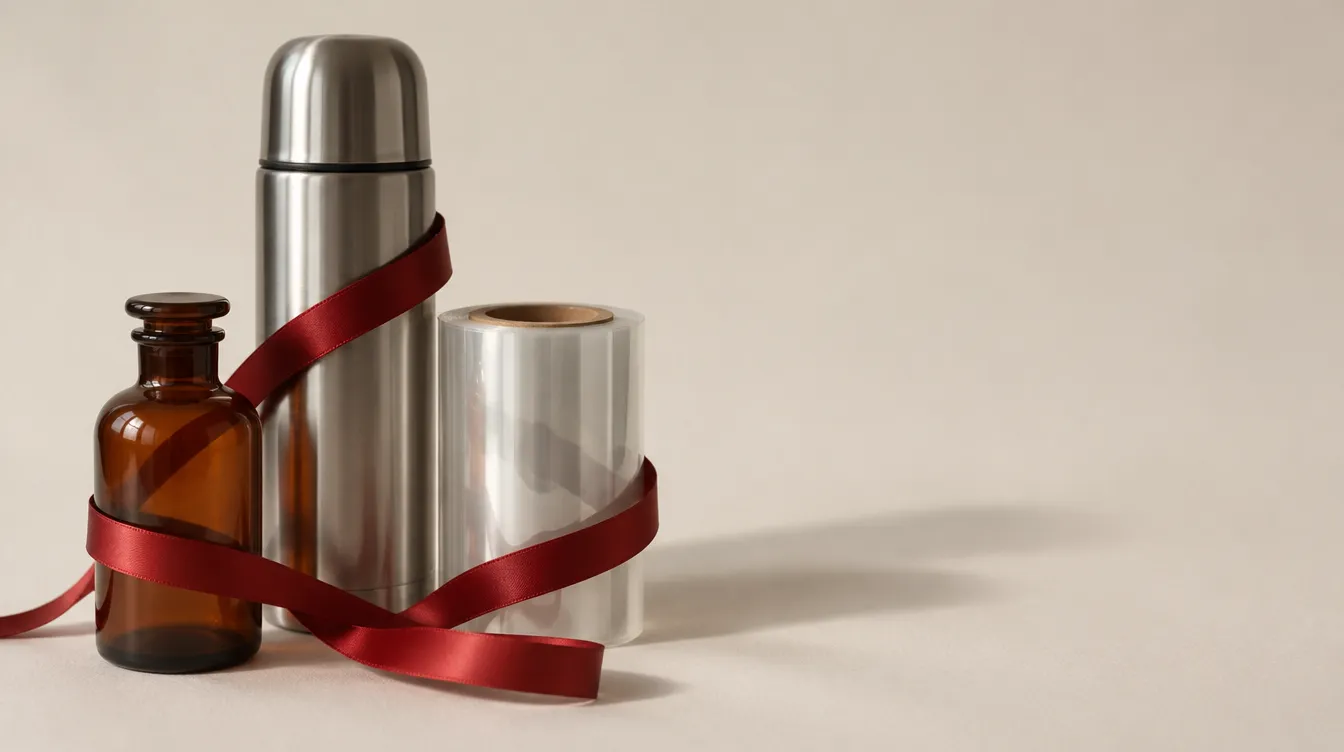
What genericide is
Genericide is the loss of trademark rights because a brand name has become the common name for the product. The test asks what the word primarily means to the relevant public. If most buyers use it to name a kind of product, whoever makes it, rather than to identify one company's product, the word is generic.
A generic term cannot be a trademark, because nobody can be given exclusive rights in the ordinary name of a thing. Federal law allows a registration to be cancelled at any time if the mark becomes generic, so even an old, incontestable registration is not safe. The Register's note on the spectrum of distinctiveness shows where generic terms sit in relation to strong marks.
Four names that crossed over
Each of these began as a trademark for a new product and was later held generic in the United States.
| Word | What happened, in general terms |
|---|---|
| Aspirin | Bayer's name for its acetylsalicylic acid tablets; a US court held in 1921 that the public understood it as the name of the drug itself |
| Cellophane | A brand of clear cellulose film; a federal appeals court held in the 1930s that buyers used it as the name of the product |
| Escalator | A brand for moving stairways; the registration was cancelled in 1950, in part because the owner had itself used the word as a generic term in its own advertising |
| Thermos | A brand of vacuum-insulated bottles; a federal court held in the early 1960s that "thermos" had become a common name for them, while the company kept some protection for its capitalized brand |
Genericness is decided country by country. Aspirin, for example, remains a registered trademark in a number of other countries, because the public there did not come to use it the same way.
Why it happens
The common pattern is a new product with no convenient everyday name. Buyers reach for the brand because it is the only word they know, journalists and competitors follow, and the brand owner sometimes does too. The longer a product has no generic name of its own, the more the brand fills the gap.
- The product is new, or the owner had a patent, so for years there was only one maker.
- The owner's own marketing uses the brand as a noun or a verb.
- Dictionaries, the press and competitors use the brand without capitalization or as the product's name.
- The owner does nothing when the word is misused.
The escalator story is the cautionary one: evidence that the owner had used its own mark generically weighed against it. How you write about your own brand is part of the record.
How owners guard against it
The defence is consistent, correct use, starting with your own. Treat the brand as an adjective that modifies a generic noun.
| Risky | Better |
|---|---|
| "Grab a Lumenfold for the trip" | "Grab a Lumenfold folding lamp for the trip" |
| "Lumenfolds are back in stock" | "Lumenfold lamps are back in stock" |
| "Just lumenfold your campsite" | "Light your campsite with a Lumenfold lamp" |
- Pair the mark with a generic noun, and give buyers that noun so they have a word for the product.
- Never use the mark as a plural, a possessive or a verb.
- Set the mark apart: a capital letter, a distinct typeface, and the ® symbol once registered.
- Write a short brand-use guide for staff, partners, retailers and the press.
- Politely ask publishers, dictionaries and competitors to correct generic use, and keep a record that you did.
The guide to the TM and ® symbols explains when each may be used.
What it means for a small brand
Most small brands will never be famous enough to face genericide. The lesson is earlier and simpler: a name that already describes or names the product starts closer to generic than an invented one, and may never register at all. Choosing a distinctive name is the first protection, and using it as a brand, not a product name, is the second.
If you are launching a genuinely new kind of product, settle on a generic name for it at launch and use your brand alongside it from day one. The guide to naming a brand you can trademark covers what makes a name strong.
The free check tells you, in plain words, whether your name is likely to read as a brand or as a description of what you sell. Check my trademark for free
Questions people ask
Can a generic word become a trademark again?
It is very difficult. Once a word is primarily understood as the name of the product, it stays free for everyone to use unless public understanding changes, which rarely happens. Prevention is far easier than recovery.
Are brands that people use as verbs already generic?
Not necessarily. Using a brand casually as a verb does not by itself make it generic; the question is whether the word's primary meaning to buyers is the type of product. That is why some well-known owners run campaigns asking people to use their names correctly.
Should a small business worry about genericide?
Mostly by choosing a distinctive name and using it correctly from the start. The bigger everyday risk for a small brand is a name that is descriptive or generic from day one, which the USPTO may refuse to register.
Sources and further reading
- USPTO: Strong trademarks
- USPTO: Keeping your registration alive
- How to name a brand you can trademark: The distinctiveness spectrum in plain English, a naming checklist, how to screen a shortlist, the traps that get names refused, and domain checks.
- Merely descriptive: the refusal that catches good names: What a Section 2(e)(1) merely descriptive refusal means, where suggestive ends, acquired distinctiveness in outline, and how the attorney answers it.
- TM versus ®: which symbol you may use, and when: TM, SM and ® explained: who may use each symbol, why ® is reserved for USPTO-registered marks, what misuse can cost, and where to place the symbol.
Keep reading
- What makes a trademark strong? The spectrum of distinctiveness: Generic, descriptive, suggestive, arbitrary and fanciful: the five kinds of trademark, with examples, and why the kind decides whether a name registers.
- What is trademark dilution, and could it apply to your brand?: Dilution by blurring and by tarnishment in plain terms, why fame is such a high bar, and what it means if your chosen name sits near a famous brand.
- What do celebrity trademark battles teach small businesses?: Widely reported celebrity trademark disputes and filings, from puns to catchphrases to one-letter names, and the lessons they hold for any small brand.
This guide is general information to help you understand the process. It is not legal advice and does not create an attorney-client relationship. For advice on your own mark, talk to an attorney on a free call.
Contact
Trademarky, LLC, 78 SW 7th St, 5th FL, Miami, FL 33130. (305) 704-7864, hello@trademarky.io. Monday to Friday, 9am to 5pm ET. Available by appointment.
This free check is an AI-assisted preliminary screening against known U.S. trademark records. It is not a comprehensive clearance search and not legal advice. Only a licensed attorney can advise you on whether to file.